
Malta: no justice for Daphne Caruana Galizia?
Nine years after the bomb attack that killed Maltese journalist Daphne Caruana Galizia, tycoon Yorgen Fenech has been acquitted of orchestrating the crime. It therefore remains unclear who ordered the murder. Suspicions that members of the government may have been involved led to the resignation of the Maltese prime minister in 2020. In its Rule of Law Report, Brussels notes that Malta has made limited progress on the protection of journalists.
Judiciary thwarted
The acquittal speaks volumes about the Maltese judicial system, La Stampa laments:
“Even in an EU country like Malta, it is rare for the judicial truth to reach beyond those who actually carried out the crime. ... It is almost impossible to reach the highest echelons where the decision was taken to kill the courageous journalist who was investigating the offshore accounts of Maltese ministers and MPs, as well as public contracts awarded to friends of friends. Thus, nine years after the bomb attack that killed her, those who ordered the attack remain unknown and unpunished. The immense public outcry and mobilisation of recent years – which has been repeated in the capital, Valletta, even in the last few hours – have been fruitless. Nor have the statements issued by European institutions and organisations campaigning for freedom of information and calling for transparency and justice made any difference.”
Still no answers after nine years
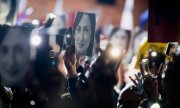
The Times of Malta sympathises with those demonstrating against the verdict in Valletta:
“The anger expressed outside court and elsewhere following the verdict cannot simply be dismissed as an unwillingness to accept the jury's decision. It reflects a much more fundamental reality. Almost nine years after a journalist was assassinated, the state still cannot tell us who ordered her murder. ... When Daphne was assassinated, then-prime minister Joseph Muscat pledged that no stone would be left unturned to find those responsible. Almost nine years later, that promise rings painfully hollow.”
Politicians must stand up for press freedom
The Guardian is shocked:
“Nine years after her car was blown up, it seems increasingly unlikely that anyone will be held to account for ordering and paying for her death. ... The EU and countries including the UK – which has close ties with Malta – must apply pressure. This is all the more urgent given the global context of intensifying attacks on the press, including in Donald Trump's US. As well as addressing threats of violence, politicians and others should stand up for press freedom – even when they don't approve of every outlet or editorial choice.”