
The Middle East conflict and art
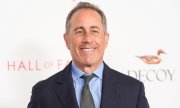
In Portugal, several performers have cancelled their performances at a comedy festival where Jerry Seinfeld is the headliner, apparently in protest at his pro-Israeli stance. In the US, rapper Macklemore was dropped from the support line-up for Ed Sheeran's tour for making pro-Palestinian and anti-Israeli remarks on stage. The incidents have prompted a discussion about artistic freedom and freedom of expression in the Portuguese press.
Two cases not comparable
Portuguese comedians cancelling their own performances because of Seinfeld cannot be compared to what happened to Macklemore in the US, writes columnist Luís Aguiar-Conraria in Expresso:
“In the Portuguese case, I find all this fuss hard to understand. I disagree with it; I think it's stupid of [the comedians] to pull out, but I have to acknowledge that at least no one cancelled Seinfeld. They are exercising their freedom. ... An organiser cancelling an artist's performance for political reasons is more problematic. They are using their economic power – in this case the fact that they own the stadium where one of the shows was due to take place – to prevent someone from performing. I can't think of any word for it other than censorship.”
We need free spaces against polarisation
Only if there are spaces where people can talk to one another can polarisation be overcome, writes Público editor João Miguel Tavares:
“That is why it is important to preserve these spaces for political engagement by any means necessary. In this regard, I would say there are two rules to bear in mind. Rule number one: at an individual level, artists have the unrestricted right to say whatever they wish. Seinfeld is free to speak out in support of Israel, Macklemore to speak out in support of Palestine, and both should be left in peace (even if, obviously, they can be criticised for what they say). ... Rule number two: at the institutional level – apart from in absolutely exceptional cases – cultural and sporting events must strive to keep politics out of the picture.”