
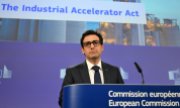
The "Made in Europe" rule: a good plan?
Stéphane Séjourné, EU Commissioner for Prosperity and Industrial Strategy, has presented a plan to boost demand for European products. It sets out new rules for public procurement under which EU member states will only be allowed to provide public funding for key industries if the products, including steel, cement, electric vehicles and clean technologies, are "Made in Europe".
Competitiveness must remain the top priority
L'Opinion warns:
“Caution: anyone who believes that this veiled protectionism will be enough to save Europe from decline is mistaken. The barriers remain fragile because they can be circumvented due to their complexity. And they will be illusory if the EU misses the opportunity to restore its competitiveness, even if it requires extending the decarbonisation agenda set out in the Green Deal. They could even prove dangerous if they isolate the continent from competition and innovation - two essential factors for keeping up in the race of the 21st century.”
With the right balance this could work
Verslo žinios takes a closer look:
“The EU does indeed need new ways to promote its remaining industry. However, this should not distract from other priorities - deregulation, further integration of the internal market and national reforms of the social security systems - which are more important for Europe's economic growth. ... On the one hand, intense protectionism doesn't yield particularly good results in any market. On the other hand, if they are drafted wisely, the EU Commission and its proposed rules could provide good support for European industry.”
Brussels doing what it does best again
The EU seems to be deviating from its original plan of cutting rather than increasing regulations, HS observes:
“The new rules are an unintended reflection of the EU's predicament. For example, the bloc produces too little of the technology it needs for the green transition, and because this technology won't make itself, attempts are being made to boost production with the promise that external know-how may be restricted. This could make the green transition more expensive and slow it down. While US President Donald Trump fights off foreign competition with bribery and threats, the EU's weapons are regulations and restrictions. The current Commission had previously set itself the goal of reducing regulation, but the world has changed and the EU is adapting.”