
Russia: will the fuel crisis become a Kremlin crisis?
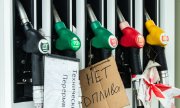
Petrol and diesel are in short supply across Russia. Filling stations are either closed or dispensing limited quantities, and prices have soared. The shortages are the result of relentless attacks by Ukrainian drones on refineries across the country and in places as remote as Siberia. The Kremlin has responded with export bans and is now trying to import fuel. Commentators are divided over whether the crisis could destabilise the Putin regime.
Bankrupt and running on empty
Russia is on the brink of collapse, columnist Dmitry Chernyshev warns on Facebook:
“This is just the beginning. From here on, the situation will only get worse. To understand what lies in store for Russia in a few months' time, one need only look at Crimea: two hours of electricity per day, no petrol, no jobs, and intermittent water supplies. This is because the number of Ukrainian drones is rapidly increasing. ... And the fuel crisis is still the least of the problems. An even more devastating banking crisis is on the horizon. Just as Maduro hid his debts in Venezuela, Putin is also trying to convince everyone that the country still has resources, even though Russia is in fact already bankrupt.”
Confidence in the government waning
The Putin regime is aware of growing popular discontent ahead of this autumn's Duma elections, Gazeta Wyborcza explains:
“The results of polls carried out in recent weeks – including by Kremlin-affiliated sociologists – show that Russians' trust in their leader is steadily declining – and at a record pace most recently. This is causing growing unease among the leadership, all the more so as Duma elections are due to take place in September – the first since the start of the war against Ukraine. According to the logic of the Putin regime, these elections are meant to demonstrate that the people support the war, regardless of the mounting threats and difficulties it faces, such as problems with the internet or petrol shortages.”
No vent for discontent
In a Telegram post republished by Echo, political scientist Dmitry Loboyko explains why a protest vote is not to be expected:
“It would seem that everything has come together. Inflation, queues, rising prices, a steady deterioration in the quality of life across many areas – and all this on the eve of federal elections. The perfect conditions for a protest vote. Yet none of this is translating into political consequences – and that is no mere coincidence. Because transforming social discontent into political action requires infrastructure: parties, leaders, platforms and a language (!) in which that discontent can find political expression. It is precisely this infrastructure that has gradually disappeared in Russia.”