
Afghanistan: five years since the Taliban retook power
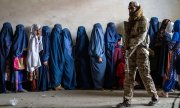
For the past five years the Taliban have again been in power in Afghanistan. The leadership held a ceremony to mark the occasion outside the former US embassy, but the majority of the population has no reason to celebrate: millions are starving and women are being systematically excluded from public life and education. Now they are not even allowed to sing. Meanwhile, several EU countries have begun deporting refugees back to Afghanistan again.
Undone and abandoned
Afghan journalist Nelufar Hedayat comments in The Guardian:
“Five years ago today, the brittle peace of the fragile new democracy was shattered by the withdrawal of western military, diplomatic and charitable groups that had intervened in the country's fate since 2001. Overnight, on Sunday, 15 August 2021, Afghanistan was undone and abandoned. ... We all knew what was coming, though the rest of the world seemed to lag behind. ... Now, there's so little to do, such little movement possible, that almost everyone I speak to in Afghanistan sounds as though they're suffocating. There is no distraction nor relief from the abject suffering of everyday Afghan people.”
Courted by Brussels
El País sees the EU as partially responsible for the Taliban's firm grip on power:
“The Taliban government ruthlessly oppresses half its population and doesn't care about the misery into which it has plunged the entire nation – mainly as a result of its senseless policy of persecuting NGOs that were helping a population impoverished by decades of war. The Islamist leaders are not paying a heavy price for this. Not only do they have a standard of living that they deny to the rest of the population, they have also recently been courted by Western governments and the EU itself, which welcomed them to Brussels to discuss whether they would be willing to take back Afghan refugees who have been expelled from Europe.”
Allow legal immigration for women
Germany should provide opportunities for Afghan women, Der Spiegel argues:
“They could gain digital skills, learn the language online and sign contracts with German employers, which would enable them to enter the country legally. However, they must overcome traditional barriers themselves: of course their brothers cannot accompany them as guardians, as is customary. They would also have to disappoint their families' expectations that they would be able to join them soon. ... A German programme for which Afghan women could qualify – as students, as apprentices, or for a specific job – so that they can then travel safely to Germany would be a sound investment in the German economy. And some small compensation for a promise that the West has failed to keep.”