
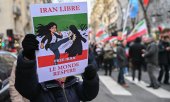
"Finally, to the great proud people of Iran, I say tonight that the hour of your freedom is at hand." US President Donald Trump made this promise to the people of Iran in his speech at the beginning of the Iran War. Following the killing of Supreme Leader Ali Khamenei, the regime has appointed his son Mojtaba Khamenei as his successor. Commentators see little to indicate that the mullahs' power base has been weakened.
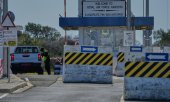
In Cyprus, popular discontent is growing over the British military presence on the island. Demonstrators held a rally outside the presidential palace in Nicosia on Saturday calling for UK military bases to be closed. The demand comes in the wake of a drone strike from Lebanon on the Akrotiri air base on 1 March. The UK has had two bases in Akrotiri and Dhekelia since 1960 which are now being used by the US military in the Iran war.
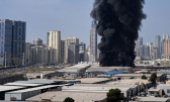
The escalating situation in the Middle East and the blockade of the Strait of Hormuz are causing energy prices to skyrocket worldwide. Even after Donald Trump hinted on Monday that the war could end very soon and G7 countries discussed drawing on strategic oil reserves, prices remain well above their level at the end of February. The European press assesses causes, consequences and possible solutions.
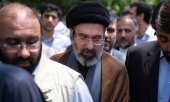
Mojtaba Khamenei is to take over as Iran's supreme leader after his father Ali Khamenei was killed in an US-Israeli airstrike. The Israeli military has now threatened to target the successor. US President Donald Trump had declared beforehand that he considered Mojtaba Khamenei to be an "unacceptable" choice, and that any Iranian leader who did not meet with Washington's approval would "not be long in office".
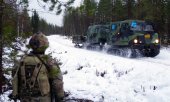
In Finland current legislation bans the import, manufacture, possession and detonation of nuclear weapons - even in the case of war. Three years after joining Nato, Finland's government has now announced that the ban will be lifted in order to "take full advantage of Nato's deterrence and collective defence", according to Defence Minister Antti Häkkänen. For the moment, however, Helsinki has no plans to host atomic weapons.

The director of the Austrian public broadcaster ORF, Roland Weißmann, has stepped down after being accused of sexually harassing a female colleague. Weißmann has denied the accusation but wants to avert damage to the company, according to his lawyer. The national media see another blow for public broadcasting.
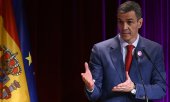
Spanish Prime Minister Pedro Sánchez last week reiterated his "No to war in Iran!" in a televised address. He was responding to US President Donald Trump's criticism of Spain in the presence of German Chancellor Friedrich Merz for refusing to allow the US to use two military bases on its territory. Trump had threatened to sever trade relations with Spain.

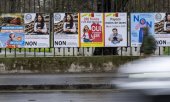
The Swiss referendum on reducing broadcasting licence fees has been defeated by a clear margin: around 62 percent of voters rejected the "200 francs is enough!" initiative. Households currently pay 335 francs per year to finance the public broadcaster SRG SSR, which produces radio and television programmes in the four national languages.
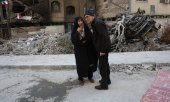
The Israeli and US airstrikes against Iran have gone on for almost a week now. Tehran has responded with strikes against Israel and neighbouring Gulf states. The US Senate and House of Representatives have endorsed US President Trump's actions. Meanwhile, oil prices have risen significantly, causing turbulence across the global economy. Commentators in Europe try to predict what course the war will take.
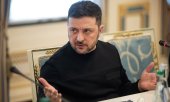
Tensions are rising in the row between Kyiv and Budapest. Ukrainian President Volodymyr Zelensky has sharply condemned Hungary's ongoing blockade of a 90-billion-euro loan, and ironically warned he would give the contact details of this "one person" to the Ukrainian military "so that they can call him and speak to him in their own language".
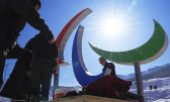
At the Winter Paralympics in Italy, the decision to allow athletes from Russia and Belarus to compete under their countries' flags has met with widespread criticism. At the same time the Ukrainian team has been banned from wearing outfits featuring a map of Ukraine that includes the Russian-occupied territories. Several countries have joined Ukraine in announcing that they will boycott the opening ceremony.