
AI encyclical: pope on point
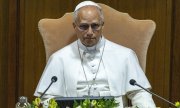
In his first encyclical, presented in the Vatican at the weekend, Pope Leo XIV focuses on the risks posed by artificial intelligence. Titled Magnifica Humanitas, the document warns of the consequences of uncontrolled use of AI. Commentators praise the relevance of his analysis and call for more such clear positioning.
Timely warning
The Irish Times is delighted that the pope has spoken out about the importance of AI regulation:
“The wide-ranging encyclical represents his determination to protect human dignity and agency in an age in which technology threatens to replace humans in many professional and social roles. ... The pope's timely warnings came amid reports of the possible use of AI to disable vital guardrails in the use of technology and its potential use by hackers and bad actors. The urgency of international regulatory action cannot be overemphasised.”
A message the secular world can get behind
In collaborating with a world-leading AI researcher, Pope Leo has broken new ground, The Guardian observes:
“Remarkably, the presentation of Pope Leo's encyclical included an address by Christopher Olah, the atheist co-founder of Anthropic. Excoriated by Mr Trump after it refused to endorse the use of some of its tools for warfare and mass surveillance, Anthropic appears to be positioning itself as the ethically respectable face of AI. ... The pope's intervention is, naturally, informed by a theological perspective. But a humanity first message is one that the secular world can get behind.”
Fully aware of this historic moment
La Vanguardia comments:
“The Pope's stance could not be clearer and is explained in a letter to the faithful that refers to Leo XIII's 1891 encyclical 'Rerum novarum'. Back then, motivated by the changes resulting from the Industrial Revolution, Leo XIII laid the foundations for a new social doctrine for the Catholic Church. ... Today, his successor is warning of the dangers of a technological revolution controlled by a handful of people. … With this encyclical, Leo XIV has demonstrated once more that he is a man who is fully aware of the accelerated evolution of our world, knowledgeable about the current socio-political situation and determined, as a prominent public figure, to defend the Church's position in the modern age.”
No preaching
The pope avoids all moralising in his letter, Le Point comments approvingly:
“Taking AI as his starting point, Leo XIV examines in detail all the current challenges and appeals to the conscience of every individual, as well as that of states and international organisations. ... Leo XIV does not condemn, he does not admonish, he does not preach – in short, he does not rail against the world: instead he presents a precise, almost clinical analysis of the brave new world that is unfolding before our eyes – without shying away from any subject, including cryptocurrencies. This world can bring progress and even hope, but it could also hasten our decline if we are not careful.”
Why stop there?
El País would like the pope to go a step further:
“Other important issues are equally deserving of attention. ... Such as the assertion that the true measure of justice in society is how it treats immigrants, the defence of multilateralism against war, and gratitude towards media that expose sexual abuse within the Church. Since [Robert, now Leo XIV] Prevost has decided to take a clear stance on fundamental issues that affect global politics, he could have been more explicit about the people who pose a threat to these realities, in particular the far right, which does so under the guise of promoting traditional and religious values.”