
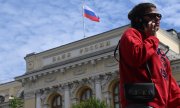
New EU sanctions against Russia
After fraught negotiations, the EU Commission has decided on its 21st sanctions package against Russia. Restrictions on the Russian financial sector will be further tightened and the 'price cap' on crude oil exports will remain at a low of 44 dollars per barrel. But individual countries intervened to block numerous proposals to sanction fish imports, LNG transportation and entry requirements for tourists, for example.
Sick of making sacrifices
The protracted negotiations are a cause for concern for die Zeit:
“That competing national interests play a role in the drafting of sanctions is in itself nothing new. ... Weeks of wrangling over concessions have left EU member states divided and flattened by sanction fatigue. The image they present will certainly appeal to Putin: that of a Europe which, five years into this war, is primarily focused on the individual interests of its member states. ... This is all the more tragic given that this package of sanctions could well be the last. For where else can measures be found that inflict sufficient damage on Russia without being too painful for Europe? The willingness of European governments to impose sanctions seems to be exhausted.”
No more hiding behind Orbán's veto
The haggling has been fierce, TVNet comments:
“After four years of war and 20 rounds of sanctions, it is no longer possible to impose new restrictions without them also impacting major European companies and entire economic sectors. Consequently the sanctions policy is increasingly becoming a deal between member states – with each state only prepared to shore up the joint pressure on Russia if it can also protect its most sensitive interests. Orbán’s resignation has not resolved this contradiction. It has merely deprived other capitals of the opportunity to hide behind Budapest's veto, forcing them to reveal far more clearly what each of them is unwilling to sacrifice in the name of sanctions.”
Tourism should not suffer more
The proposed entry ban on anyone who has fought for Russia against Ukraine was not included in this package. European Pravda explains why:
“France, Italy and – less openly – a string of other coastal states have flatly refused to address the issue as part of the package of sanctions against Russia – on the grounds that it would have to be implemented by changing Schengen regulations. But their real motive had little to do with legal concerns and was more about delaying a decision that would further impede the influx of Russian tourists, which has already been declining since the start of the large-scale invasion of Ukraine.”