
Oil price shock: will releasing reserves help?
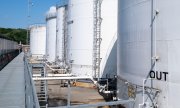
In response to the de facto blockade of the Strait of Hormuz, the International Energy Agency (IEA) plans to release strategic oil reserves amounting to 400 million barrels of crude oil. Never before have the agency's 32 member countries taken so much oil from their emergency reserves in a joint action aimed at stabilising the energy market. For the media, the problems are far from over.
A painkiller that brings little relief
The IEA's measure will have little effect, Naftemporiki believes:
“As impressive as this figure may sound, in reality it's more of a painkiller than a cure. The global market is already showing a significant supply deficit just a few days after the start of the conflict, which means that even such a large release of reserves can hardly compensate for the missing 220 million barrels from the Middle East. Moreover, the effectiveness of the measure depends not only on the quantity but also on geography and timing. Asia, which is heavily dependent on supplies from the Gulf, is the hardest hit. Transporting oil from the US to Asian markets can take up to two months.”
Keep global supply lines open
Iran must be prevented from blocking the Strait of Hormuz, The Times urges:
“Warships can do only so much in protecting vulnerable vessels and the cost could be enormous, even if enough could be assembled to escort the tankers. ... An intensification of the bombing, especially of the sites where Iran is still trying to make and launch missiles and drones, would make sense. ... For now, much of the world relies on oil and gas from the Gulf. The artery through which it flows must remain open.”
Wanted: peace and renewable energy
We will remain dependent on fossil fuels for a long time to come, Hämeen Sanomat laments:
“Peace would be the best remedy for the oil crisis. However, this is a long way off, and the desired change of regime in Iran does not seem to be materialising. Instead, the current clerical leadership is stubbornly continuing the war. ... Unfortunately, the biggest winner of the recent oil crisis is the Russian war economy, which is fuelled by oil revenues. ... The world remains dependent on oil. The transition to fossil-free energy is a major objective but it remains a long way off, especially with Donald Trump pushing ahead with his second term.”